
surfing the brain waves
Eric Rawls
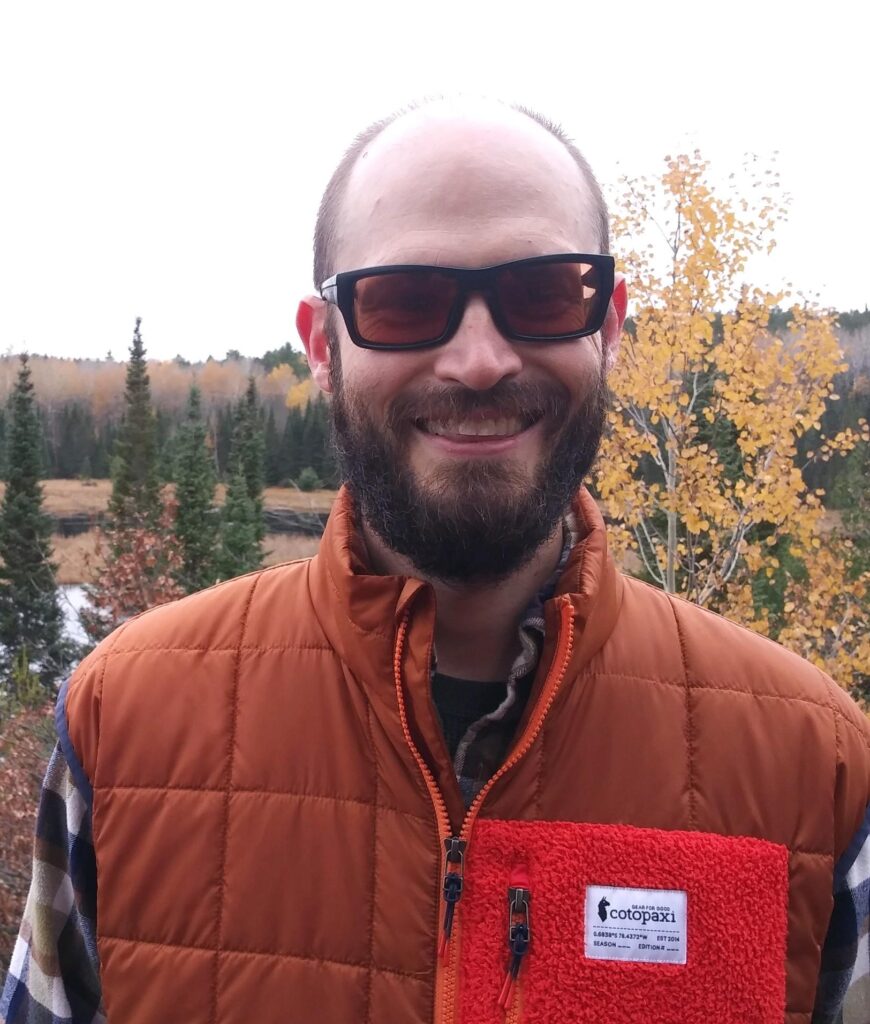
Cognitive control – the ability to guide thoughts and actions toward our goals – relies on continuous assessments of the costs and benefits of exerting mental effort. Disruptions in these valuation processes are central to substance use disorders (SUDs), post-traumatic stress disorder (PTSD), and mild traumatic brain injury (mTBI). My work aims to pinpoint how maladaptive valuation intersects with compromised cognitive control to give rise to these disorders, particularly when trauma and addiction co-occur. I then translate these findings into neuromodulation-based interventions, with a strong emphasis on addressing the health disparities faced by underserved groups, including military service members and veterans.
Grounded in computational psychiatry, my research incorporates EEG and fMRI with computational modeling and causal discovery machine learning, linking neural mechanisms to real-world outcomes. By integrating data from large, representative cohorts (e.g., VA populations, twin-family studies), I map how valuation and control processes become perturbed and how targeted interventions might restore them. My overarching aim is to reduce the personal and societal toll of mental illness, especially among populations that have historically been overlooked in clinical research.
News
12/7/25: Welcome to the BDC Lab, Dr. Louie Treuting!
Dr. Louie Treuting has joined the BDC lab as a postdoctoral scholar. He earned his PhD in Biomedical Engineering from Vanderbilt University in May 2025, in the lab of Dr. Thilo Womelsdorf. His PhD research focused on neuromodulation and adaptive behavior in macaque models, and his goal in his postdoc is to gain experience in human subjects research and to move into a more applied clinical neuroscience research area. You can find his Google Scholar profile here. Welcome, Louie!
6/24/25: We’re recruiting for a postdoc!
The Brain, Data, and Causality (BDC) lab at UNCW is currently hiring for a postdoctoral scholar starting Fall 2025! We are specifically looking for individuals with a PhD in Psychology, Neuroscience, Cognitive Sciences, or a related field. Your application will be more competitive if you have at least one of the following: 1) EEG experience, 2) noninvasive tDCS/tACS experience, 3) computational modeling and simulation experience, including biophysical neuronal models. The scholar will be part of a research team investigating neuroscience-based methods for improving cognitive control in substance use and alcohol use disorders. If you’re interested in this training opportunity, please send me an email at rawlse(at)uncw(dot)edu for more information! The job posting can be found here.
10/10/24: We’re accepting incoming graduate students!
The Brain, Data, and Causality (BDC) lab at UNCW is currently accepting incoming neuroscience masters students for the Fall 2025 semester! If you’re interested in being part of cutting-edge human neuroscience research in support of mental health, email me at rawlse(at)uncw(dot)edu for more information! Find more info on our master’s programs here!


8/1/24: We’re recruiting undergraduate volunteers!
My lab is currently recruiting undergraduates from the University of North Carolina Wilmington for volunteer research positions! Boost your CV, prepare for grad school, and learn valuable research skills! Email me at rawlse(at)uncw(dot)edu for more information.